
Things you shouldn’t take to your new home
Get a Free Estimate For Your Move
"*" indicates required fields
The things you shouldn’t take to your new home fall into three groups: hazardous materials that movers are not allowed to carry, such as propane, gasoline, paint, and pool chemicals; valuables, documents, and medications you should carry yourself; and items that aren’t worth paying to move, such as broken electronics and furniture that won’t fit. If you are moving to Florida from another state, houseplants need a certificate of inspection and citrus plants cannot enter without a state permit.
Moving is the perfect time to go through your belongings and decide what to keep. Many people pack everything they own without thinking about whether they need it. That leads to extra costs, wasted time, and unnecessary clutter. Some things you shouldn’t take to your new home will only take up space and make unpacking more stressful. Old, broken, or unused items have no place in a fresh start. Getting rid of them before moving will make the process easier. For example, hauling old furniture that won’t fit your new space or packing expired pantry items is pointless. Instead of cluttering your new home, make smart choices before packing. Even the best moving companies in Florida can only move what you hand them: local moves are usually billed by the hour, and long-distance moves are priced by the weight or volume of your shipment and the distance, so every extra box adds time or weight to your bill. Knowing what things you shouldn’t take to your new home will save money and effort.
What to leave off the moving truck, and what to do instead
| Item | Why it shouldn’t go on the truck | What to do instead |
|---|---|---|
| Propane tanks, gasoline, lighter fluid, kerosene | Flammable hazardous materials movers cannot carry | Use them up or take them to a county household hazardous waste site |
| Paint, solvents, pool chemicals, pesticides | Can leak, ignite, or react with other chemicals | Drop off at a hazardous waste site; reuse programs take usable products |
| Aerosols, car batteries, ammunition | Classified as hazardous for transport | Hazardous waste drop-off; transport ammunition yourself where legal |
| Perishable and frozen food | Spoils and leaks in a closed truck | Eat down the pantry and donate unopened food |
| Houseplants (out-of-state moves into Florida) | Require a certificate of inspection; citrus plants need a state permit | Move them in your car with paperwork or give them away |
| Jewelry, documents, laptops, medications | Irreplaceable or needed right away | Carry them with you |
| Expired medicines | Lose effectiveness and are unsafe | Pharmacy kiosks or DEA Take Back events |
| Broken electronics and appliances | Dead weight that adds labor time | Electronics recycling at county facilities |
| Furniture that won’t fit | Adds labor and truck space | Sell, donate, or store it |
Expired or unused items
Everyone has expired food, old medications, or beauty products they never use. Moving is the best time to throw them out. Keeping expired items is unsafe and adds unnecessary weight to your move. Check your pantry for old canned goods, stale spices, and opened snacks. Medicines lose their effectiveness over time. Expired pain relievers, vitamins, and prescription drugs should never be packed. Instead, dispose of them properly at a pharmacy or drop-off site, or bring them to a DEA National Prescription Drug Take Back Day collection point. The same applies to makeup and skincare products. Many people hold on to half-used bottles of lotion, foundation, or shampoo. If they’re past their expiration date, they may cause skin irritation. Moving is about starting fresh. Keeping things you no longer use will only take up space. Local movers FL often recommend sorting and downsizing before moving day. This prevents you from packing things you’ll end up throwing out later.

Broken or outdated electronics
Many homes have a drawer or closet filled with old electronics. Moving is the best time to let them go.
- Things you shouldn’t take to your new home include broken or outdated devices you’ll never use again. That means old phones, tangled charging cables, and non-working laptops. Keeping them only adds clutter.
- If a device has been sitting unused for years, chances are you don’t need it. Large electronics, like old TVs or printers, take up too much space. Instead of moving them, consider recycling or donating them. Some stores and electronic waste centers accept old gadgets. In Hillsborough County, residents can take electronics to county solid waste facilities with a state-issued photo ID showing a Hillsborough address, and Pinellas County takes rechargeable batteries free at its household hazardous waste sites.
- Outdated appliances also fall into this category. A toaster that only works half the time or a microwave with a broken button isn’t worth keeping. If something no longer works properly, it’s time to part ways. Clearwater Beach movers suggest downsizing electronics before packing to avoid unnecessary costs.
Unworn clothes and shoes
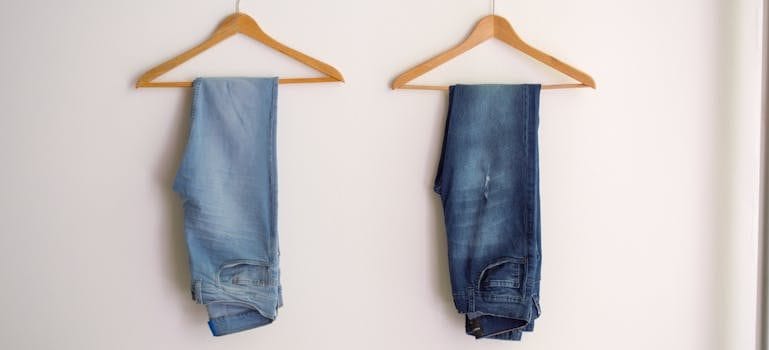
Most people have clothes they never wear. Some still have tags, while others no longer fit or suit their style. Instead of packing everything so movers St Petersburg FL can relocate, go through your closet first. If something is too small, outdated, or damaged, it doesn’t need to move with you. Many people keep clothing they hope to wear someday. But if it’s been sitting untouched for years, donating or selling it is better. The same goes for shoes. Worn-out sneakers, uncomfortable heels, or pairs never leaving the closet shouldn’t take up space. Heavy winter coats and sweaters might not be necessary if you’re moving to a warmer climate. If you are relocating to Tampa Bay from up north, snow boots, snow shovels, ice scrapers, and space heaters are dead weight too. Donate, sell, or repurpose clothing instead of packing unnecessary items. This makes your wardrobe more manageable and saves space in your new home.
Bulky or unnecessary furniture
Not all furniture is worth moving. Some pieces are too big, outdated, or don’t match your new space. Moving large, bulky furniture that doesn’t fit or serve a purpose wastes time and money. Before packing, measure your new home. If a couch, dresser, or bed frame won’t fit, sell or donate it. Many people hold on to worn-out furniture out of habit. A sagging mattress, a scratched-up coffee table, or a wobbly chair isn’t worth moving. Moving heavy furniture increases labor costs and takes up space in the truck. Instead of keeping everything, choose only what you need. If you’re downsizing, moving fewer items will make arranging your new home easier. Selling unwanted furniture online or donating it to charity helps others while reducing your moving load. If you’re unsure about certain items, keep them in secure storage until you decide.
Excess paperwork and junk mail
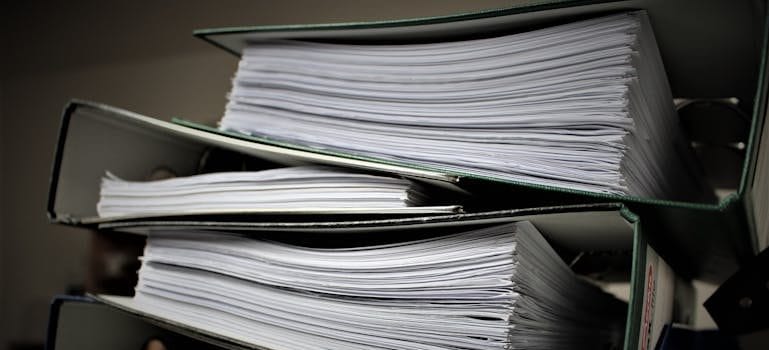
Paper piles up fast. Old bills, receipts, expired warranties, and junk mail create unnecessary clutter. Packing paper you don’t need makes moving harder and your new home messier. Go through your documents before packing. Shred old bank statements, outdated insurance policies, and expired contracts. Keep only important paperwork, like birth certificates, property deeds, and tax documents. If you don’t want to keep hard copies, scan them and store them digitally. Junk mail, outdated magazines, and unread newspapers should go straight into the recycling bin. Many people have manuals for appliances they no longer own. Toss those, too. Keeping useless paper makes unpacking frustrating. Sorting through it now prevents piles of clutter later. If you have sentimental items like letters or cards, set a limit on what you keep. A single small memory box is better than keeping every card ever received.
What should you move yourself instead of packing?
Some belongings should never go into a moving box, even if the mover is allowed to carry them. Keep these with you in your own car:
- Valuables and documents: jewelry, cash, passports, birth certificates, property deeds, and the folder with your closing or lease paperwork.
- Medications and medical devices: a week’s supply of prescriptions, plus anything that needs refrigeration.
- Electronics with personal data: laptops, tablets, and external hard drives.
- Pets: movers do not transport animals, so plan carriers, water, and a stop for the drive.
- Houseplants: plants do poorly in a closed truck, and Florida requires houseplants arriving from another state as household goods to have a certificate of inspection. Bringing any citrus plant into Florida without a permit from the Florida Department of Agriculture and Consumer Services is illegal.
- A first-night box: toiletries, phone chargers, bedding, a change of clothes, toilet paper, basic tools, and snacks.
Everything else can go on the truck. If you would rather not box it yourself, professional packing services save the most time on kitchens and closets.
What can’t movers legally take?
Federal law prohibits you from putting hazardous materials in your household goods without telling your mover, and doing so makes you legally responsible as a hazardous materials shipper. The federal rules on hazardous materials in household moves define these materials as explosives, compressed gases, flammable liquids and solids, oxidizers, poisons, corrosives, and radioactive materials. There is a small exception for medicinal and toiletry items up to 70 ounces in total. In practice, that means leaving these items off the truck:
- Propane tanks, gas cans, kerosene, lamp oil, and lighter fluid
- Paint, paint thinner, stain, and varnish
- Pool chemicals, pesticides, herbicides, and fertilizer
- Aerosol cans and bleach or other cleaning chemicals
- Car batteries, fireworks, and ammunition
- Fuel left in lawn mowers, pressure washers, and generators, which should be drained before moving day
Every company keeps its own list of non-allowable items, so ask for it when you get your quote. These questions to ask movers cover that and the other details worth confirming before you sign.
Where can you get rid of what you don’t move in Tampa Bay?
Hazardous waste can’t go in your curbside trash or recycling bin, but every Tampa Bay county has drop-off options for residents:
- Pinellas County: The Household Hazardous Waste Center at 2855 109th Avenue North accepts household chemicals free from county residents, and a second site, HHW North, sits behind the Pinellas County Government Center south of Curlew Road. The Swap Shop at the main center gives away usable paint, cleaners, and automotive fluids for free.
- Hillsborough County: Collections run on Saturdays from 8 a.m. to 2 p.m.: the first Saturday at 9805 Sheldon Road in Tampa, the second Saturday at 13000 U.S. Highway 41 in Gibsonton, and the third Saturday at 6209 County Road 579 in Seffner. Bring a state-issued photo ID with a Hillsborough County address. City of Tampa residents use the same county sites.
- Pasco County: Pasco County Utilities operates two permanent household hazardous waste collection centers that accept pesticides, pool chemicals, solvents, and gasoline. Call Pasco County Solid Waste at 727-857-2780 for locations and hours.
Furniture and appliances in good condition can go to Habitat for Humanity ReStores, and Pinellas County urges residents to clear out garage chemicals before hurricane season starts on June 1, when drop-off lines get long.
How much can decluttering save on your move?
Because local moves are billed by the hour, every hour you cut is money saved. Local movers in Clearwater averaged about $116 per hour in 2026, so trimming two hours of loading and unloading can save more than $200. For long distance moving, the savings come from weight and volume: fewer boxes can mean a smaller truck and a lower bill. For more ideas, read our guide on how to save money during your move without cutting corners.
All the things you shouldn’t take to your new home
Moving is the best opportunity to start fresh. Packing everything you own without sorting through it leads to clutter and extra costs. Things you shouldn’t take to your new home include expired items, broken electronics, unworn clothes, and bulky furniture. Keeping unnecessary items will only make your move harder. Instead, donate, sell, or dispose of anything you no longer need. This saves money on moving costs and gives you more space in your new home. Planning ahead helps you make better decisions about what to keep. Sorting through your belongings before packing prevents regrets later. A fresh start means keeping only the things that truly matter. Take the time to declutter now so your new home feels organized and stress-free from day one. When everything that’s left is worth moving, Big Man’s Moving Company can pack it, load it, and deliver it anywhere in Tampa Bay or beyond. Request your free moving estimate and get a crew that will tell you upfront what can and can’t go on the truck.
Frequently Asked Questions
What should you not pack when moving?

Don’t pack hazardous materials such as propane, gasoline, paint, and pool chemicals; perishable food; pets; or irreplaceable items like jewelry, documents, and medications. Carry valuables yourself, and get rid of anything broken, expired, or too large for your new home.
What items will movers not move?
Movers will not move hazardous materials, including explosives, compressed gases such as propane, flammable liquids, poisons, and corrosives. Most also refuse perishable food, live animals, and plants, and recommend that you carry valuables and important documents yourself.
Can I bring houseplants when moving to Florida?
Yes, but houseplants moving into Florida as household goods must have a certificate of inspection. Citrus plants cannot be brought into Florida without a permit from the Florida Department of Agriculture and Consumer Services.
Where do I throw away old paint and chemicals in Tampa Bay?
Pinellas residents can use the free Household Hazardous Waste Center at 2855 109th Avenue North. Hillsborough residents can use county collections in Tampa, Gibsonton, and Seffner on designated Saturdays. Pasco residents can use the county’s two permanent hazardous waste centers.

Why Choose Us?
Dylan and Marcus, the movers, were exceptional! Arrived on time, great communication, very professional, efficient, personable. Took great care of our belongings. I would not hesitate to recommend them!! Josh was communicative throughout the entire experience from receiving a quote to follow up.